Source Sportswear Hoodie for Fitness Gym and Yoga
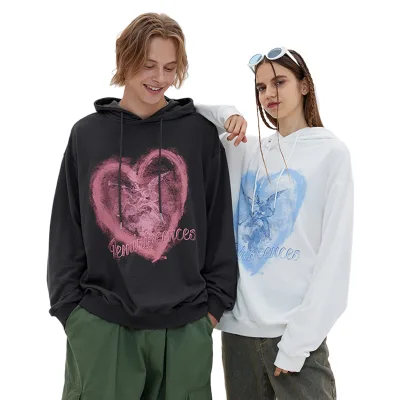
Source 30 sportswear hoodie options from Dongguan suppliers. Compare customization, materials like polyester and cotton, and features such as moisture-wicking and breathability for fitness, gym, and yoga applications. These tops include long sleeve designs with kangaroo pockets and graphic patterns suitable for track and field, basketball, and cycling activities.
Key considerations
Products List




Comprehensive Sourcing Guide
Sportswear Hoodie Sourcing Guide
Product Scope and Observed Listing Signals
The current market for sportswear hoodies presents a diverse array of options tailored for both performance and casual wear, with observed listings indicating a price range from $2.40 to $99.90 USD. This wide variance suggests that buyers can find solutions for various budget tiers, from basic promotional items to high-performance athletic gear. The minimum order quantities (MOQ) observed range from 1 to 1,000 units, offering flexibility for small batch testing or large-scale production runs. Buyers should carefully evaluate the unit price against the MOQ to determine the most cost-effective strategy for their specific volume requirements.
Product attributes highlight a strong emphasis on customization, with many suppliers offering tailored designs, logos, and color options. Materials primarily include polyester/spandex blends for stretch and durability, as well as cotton for comfort and streetwear aesthetics. Key features such as windbreak, quick-drying, moisture-wicking, and breathability are common in performance-oriented models, while others focus on graphic patterns and kangaroo pockets for casual styles. Understanding these distinctions is crucial for aligning product selection with the intended end-use, whether it be intense gym sessions, outdoor sports, or everyday fashion.
Technical Specifications to Verify
When evaluating technical specifications, buyers must prioritize material composition and construction quality to ensure the hoodie meets performance expectations. Polyester and spandex blends are ideal for activities requiring stretch and moisture management, while cotton offers superior comfort for low-intensity wear. It is essential to verify the exact percentage of each fiber, as this directly impacts durability, shrinkage, and breathability. Additionally, sleeve length and size availability, ranging from specific sizes like S and M to free-size options, should be confirmed to ensure proper fit for the target demographic, which includes unisex adult wearers.
Design elements such as hood adjustability, drawstring color customization, and print placement on the chest are critical for brand identity and user preference. Suppliers often allow changes to these features, enabling buyers to create unique products that stand out in the market. Buyers should also inspect packaging standards, which vary from individual polybags to bulk carton packing with specific dimensions like 40x40x60 cm. Verifying these logistical details early in the sourcing process helps prevent unexpected costs or handling issues during shipping and warehousing, ensuring a smooth supply chain operation.
Compliance and Safety Documentation
Compliance and safety documentation are vital for mitigating risk and ensuring that imported sportswear meets international regulatory standards. While specific certifications like GOTS, ISO 9001, or Oeko-Tex are mentioned in background data, buyers must request current, valid certificates from suppliers rather than assuming their inclusion. These documents verify that materials are free from harmful substances and that manufacturing processes adhere to quality management systems. Without verified documentation, buyers risk facing customs delays, product recalls, or reputational damage due to non-compliant goods.
Buyers should also inquire about specific testing reports for fabric performance, such as colorfastness, pilling resistance, and tensile strength. These tests provide objective data on the product's longevity and suitability for rigorous use cases like basketball, tennis, or track and field. It is important to clarify whether these tests are conducted in-house or by third-party laboratories, as independent verification adds credibility to the claims. Establishing clear compliance requirements in the purchase agreement ensures that suppliers are accountable for delivering products that meet all necessary safety and quality benchmarks.
Cost Drivers and Commercial Terms
Several factors influence the final cost of sportswear hoodies, including material selection, customization complexity, and order volume. Customized designs, such as unique prints or specific color changes, often incur additional setup fees or higher unit costs due to the specialized production processes involved. Buyers should negotiate clear pricing structures that separate base costs from customization charges to avoid hidden expenses. Understanding the relationship between MOQ and unit price is also crucial, as larger orders typically yield better economies of scale, reducing the per-unit cost significantly.
Commercial terms, including payment methods, lead times, and shipping responsibilities, play a significant role in the overall procurement strategy. Buyers should clarify whether prices are FOB, EXW, or DDP, as this determines who bears the risk and cost of transportation. Additionally, lead times can vary based on the complexity of the design and the current production schedule of the supplier. Establishing realistic timelines and contingency plans helps prevent delays in product launches and ensures that inventory levels are maintained to meet market demand without overstocking.
Supplier Qualification and Quality Control
Supplier qualification is a critical step in ensuring reliable production and consistent quality for sportswear hoodies. Buyers should conduct thorough due diligence, including verifying business licenses, factory audits, and past performance records. Suppliers located in regions like Dongguan, China, often have established manufacturing ecosystems, but this does not guarantee quality without proper oversight. It is advisable to request samples before placing bulk orders to assess workmanship, fabric feel, and adherence to specifications. This hands-on evaluation helps identify potential issues early, allowing for corrective actions before mass production begins.
Quality control measures should be integrated into the production process to maintain high standards throughout manufacturing. Buyers can implement pre-production, during-production, and pre-shipment inspections to monitor progress and catch defects early. Clear quality acceptance criteria, such as acceptable stitch density, color matching tolerances, and packaging integrity, should be communicated to the supplier in writing. Regular communication and feedback loops with the supplier help build a collaborative relationship, ensuring that any deviations from the agreed-upon standards are addressed promptly and effectively.
Long-Term Procurement Checks
Long-term procurement success depends on continuous monitoring and relationship management with suppliers. Buyers should regularly review supplier performance metrics, including on-time delivery rates, defect rates, and responsiveness to issues. Establishing a scorecard system can help objectively evaluate suppliers and identify areas for improvement or potential replacement. Building strong relationships with reliable suppliers fosters trust and can lead to better pricing, priority production slots, and collaborative innovation in product design. This strategic approach ensures a stable supply chain capable of adapting to changing market demands.
Additionally, buyers should stay informed about industry trends and regulatory changes that may impact sourcing decisions. This includes monitoring shifts in material preferences, such as increased demand for sustainable fabrics, or new safety regulations in target markets. Regularly updating sourcing strategies and diversifying the supplier base can mitigate risks associated with single-source dependencies. By maintaining a proactive and informed approach, buyers can optimize their procurement processes, reduce costs, and deliver high-quality sportswear hoodies that meet customer expectations consistently.
FAQs
Can I get a customized design for sportswear hoodies?
Yes, customized designs are available for these sportswear hoodies. You can modify the print logo on the chest to any color and change the drawstring color as needed. The product supports various customization options to meet specific brand requirements.
What materials are used for the sportswear hoodies?
The sportswear hoodies are primarily made from Polyester and Spandex blends. Some specific models also utilize Cotton for comfort. These materials ensure the garments are breathable, quick-drying, and suitable for high-intensity activities like gym workouts and yoga.
Which sizes are available for the sportswear hoodies?
Various sizes including S, M, and Free Size are available for these sportswear hoodies. The product listing also indicates that any size can be requested to fit different customer needs. This flexibility allows buyers to source specific fits for their target demographic.
How are the sportswear hoodies packed for shipping?
Individual items are typically packed in a PE bag or Polybag. For bulk orders, the products are packed with 40 to 80 pieces in a single carton. The carton dimensions vary based on the specific model, ensuring safe transport during international shipping.
What features do these sportswear hoodies offer?
These sportswear hoodies feature windbreak, moisture-wicking, and anti-static properties. They are designed to be breathable and help maintain body shape during exercise. Additional features include kangaroo pockets and options for graphic patterns to enhance style and functionality.
Can the hood be removed from the sportswear hoodie?
Yes, the hood on these sportswear hoodies can be cancelled if requested. This customization allows buyers to choose between a hooded or non-hooded style. It provides flexibility in design to suit different fashion trends or specific functional requirements for the garment.
Where are these sportswear hoodies manufactured?
These sportswear hoodies are manufactured in Dongguan, China. The production origin is clearly stated as China, ensuring a reliable supply chain for international buyers. This location supports efficient manufacturing and logistics for bulk orders of athletic apparel.